The Interconnection Between Human Rights and Workplace Health and Safety

Human Rights and Workplace Health and Safety


Introduction:

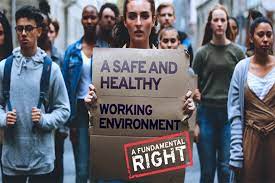
In today’s globalized world, the importance of upholding human rights extends beyond mere rhetoric — it plays a crucial role in shaping ethical workplaces that prioritize safety, dignity, and well-being. The relationship between human rights and workplace health and safety is intrinsic; ensuring safe working environments is fundamentally an issue of respecting and protecting human dignity.

Human Rights as the Foundation of Workplace Safety:

Human rights encompass the right to life, dignity, health, and safety. Employers have a moral and legal obligation to safeguard their employees’ rights by providing a secure and healthy working environment. This includes preventing accidents, reducing occupational hazards, and ensuring access to necessary healthcare.

Legal Frameworks and International Standards

International instruments like the International Labour Organization (ILO) conventions and the Universal Declaration of Human Rights reinforce the connection between human rights and occupational safety. For example, ILO Convention No. 155 emphasizes the right of workers to a safe and healthy working environment. When organizations neglect these standards, they risk violating fundamental human rights, leading to harm, exploitation, or even loss of life.

Ethical Responsibilities of Employers

Respecting human rights in the workplace means more than compliance; it involves proactive measures to prevent injuries and health issues. This can include providing appropriate training, implementing safety protocols, and fostering a culture where employee well-being is prioritized. Employers must recognize workers as individuals entitled to dignity and protection.

Challenges and Human Rights Violations

In many industries worldwide, especially in low-resource settings, violations of workplace health and safety are prevalent, often linked to broader human rights abuses such as forced labor, exploitation, and discrimination. Addressing these issues requires a holistic approach that integrates human rights principles into workplace policies and practices.


Example: The Rana Plaza Factory Collapse

A notable example that highlights the critical connection between human rights and workplace safety is the 2013 Rana Plaza tragedy in Bangladesh. Over 1,100 workers lost their lives when a poorly constructed garment factory building collapsed. Investigations revealed numerous violations of safety standards, including illegal construction modifications and inadequate emergency exits. The disaster was a stark violation of workers’ rights to safety and dignity, drawing international attention to the urgent need for effective workplace regulations and oversight in the garment industry.

This tragedy underscored how neglecting human rights principles — such as the right to safe working conditions — can lead to catastrophic consequences. It prompted international campaigns to improve safety standards and hold corporations accountable for respecting workers’ rights.

The Role of Employees and Stakeholders

Employees have the right to a safe workplace and should be empowered to voice concerns without fear of retaliation. Stakeholders, including governments and civil society, play a vital role in enforcing standards, holding violators accountable, and promoting a culture of respect for human rights.

Moving Forward: A Human-Centric Approach

Advancing workplace health and safety through a human rights lens entails recognizing the dignity and worth of every worker. This approach not only reduces risks and enhances productivity but also advances broader social justice goals.

Conclusion: 

Workplace health and safety are not merely operational priorities but fundamental human rights. Respecting these rights fosters safer, more ethical workplaces where employees can thrive without fear of harm or exploitation. The Rana Plaza tragedy serves as a powerful reminder of what can happen when human rights are overlooked — emphasizing the ongoing need to uphold and promote these rights for the betterment of all.

At Green Perennial, we specialize in helping businesses like yours enhance workplace health and safety. Our goal is to protect your employees and visitors, ultimately saving lives.
Please let us know how we can assist you.
Contact Us

+964 (0)750-241-3431

+964 (0)773-022-0821

Dubai Silicon Oasis
+97558530912 


What makes the ISO certifications valuable?

What makes the ISO certifications valuable?

The value of ISO certifications comes not from the piece of paper itself, but from the credibility, rigor, and impact behind it. Here’s a breakdown of what makes ISO certifications truly valuable:

🔹 1. Accredited Certification

A certification is only as credible as the body that issues it. When an ISO certificate is issued by a certification body accredited by a recognized accreditation body (such as UKAS or an IAF member), it:

  • Proves that an independent, competent authority verified the system.

  • Increases acceptance by clients, regulators, and international partners.

  • Adds legal and commercial credibility.

🟢 Valuable: ISO 9001 from a UKAS-accredited body.
🔴 Less Valuable: ISO 9001 from an unaccredited or low-credibility body.

🔹 2. Effective Implementation

Certification should not be just a formality. ISO systems are most valuable when:

  • They are integrated into daily operations.

  • Staff are trained and engaged with the system.

  • The system is used to improve performance, not just pass audits.

🟢 Valuable: A company that uses ISO 14001 to track and reduce environmental impact.
🔴 Less Valuable: A company that prepares documents only for audit day.

🔹 3. Relevance of the Standard

The chosen ISO standard should align with the organization’s needs and industry. For example:

  • ISO 27001 is essential for IT and data-sensitive sectors.

  • ISO 45001 adds value in manufacturing, construction, or oil and gas services.

  • ISO 18788 adds value in private security companies.

A certification aligned with your core risks and opportunities brings more value than generic ones.

🔹 4. Continuous Improvement Culture

One of the core principles of ISO systems is continual improvement. Organizations that:

  • Use audit findings to drive change,

  • Internal audits, regularly review performance indicators,

  • Involve top management in system review,

…gain much more value from their ISO investment than those who simply maintain the certificate.

🔹 5. Market and Stakeholder Recognition

ISO certifications provide external assurance to:

  • Customers (quality assurance)

  • Partners (trust in systems)

  • Governments or regulators (compliance)

A reputable ISO certification can open doors to new markets, tenders, and partnerships.

🔹 6. Audit Integrity

The value also depends on how rigorous the audit was. A real value-adding audit:

  • Identifies process weaknesses

  • Challenges the organization to improve

  • Provides expert feedback

If the audit is too lenient or “rubber-stamped,” the certificate has little operational value.

In Summary: What Makes ISO Certification Valuable?

Factor Adds Value ✅ Reduces Value ❌
Accredited certification body ✅ Recognized (UKAS, IAF member) ❌ Non-accredited / low-trust bodies
System is actively used ✅ Embedded in operations ❌ Only documented for show
Standard matches business ✅ Relevant (e.g., ISO 27001 for IT) ❌ Irrelevant or generic
Improvement mindset ✅ Drives real change ❌ Static / tick-box compliance
Strong audits ✅ Thorough, experienced auditors ❌ Superficial / fast-track audits
Market recognition ✅ Needed by clients, regulators ❌ Unknown or unused

Conclusion: Don’t Just Get Certified—Get Certified Right

ISO certifications can be powerful tools for enhancing business performance, credibility, and market access—but only when they are properly implemented and credibly accredited. The true value lies not in the certificate itself, but in the system behind it, the rigor of the audit, and the trustworthiness of the issuing body.

When choosing a certification body, ask who accredited them, whether they’re an IAF member, and how thorough their audit process is. Certifications under respected accreditors like UKAS carry significant weight, while those under UAF or some IAS-accredited bodies may not deliver the same level of recognition or assurance.

Ultimately, ISO certification should not be just a checkbox—it should be a strategic decision that adds real value to your operations, reputation, and growth.

If you’re investing in ISO certification, make it count.

Contact us today to make sure you are on the right path to your certification journey! 

009647502413431

0097558530912


What are the benefits of outsourcing health and safety services for private companies

How outsourcing health and safety services can benefit organizations?

In today’s competitive business landscape, organizations must navigate complex regulatory requirements, maintain a safe workplace, and stay compliant with industry standards. Managing health and safety (HSE) in-house can be resource-intensive, especially for small to medium-sized businesses. That’s where outsourcing health and safety services comes in — a strategic move that can bring multiple advantages. Let’s explore how outsourcing HSE services can benefit your organization.

1. Access to Expert Knowledge and Experience

Outsourcing gives your organization direct access to certified health and safety professionals with extensive industry experience. These experts stay up-to-date with evolving regulations and best practices, ensuring your company remains compliant with local and international standards without the need for constant internal training.

2. Cost-Effectiveness

Hiring and training an in-house health and safety team can be costly. Outsourcing reduces overhead expenses, as you only pay for the services you need — whether it’s periodic audits, risk assessments, or ongoing consultancy. This approach helps businesses allocate resources more efficiently.


3. Improved Compliance and Risk Management

Failing to comply with safety regulations can lead to fines, legal issues, and damage to your reputation. Outsourced specialists can identify potential hazards, conduct compliance audits, and implement proactive safety measures, reducing the risk of accidents and ensuring your organization passes regulatory inspections with ease.

4. Enhanced Focus on Core Operations

Managing health and safety internally can divert attention from your core business activities. By outsourcing, your team can focus on what they do best, while trusted HSE providers handle the complex aspects of safety management.

5. Scalability and Flexibility

As your business grows or takes on new projects, your health and safety needs may change. Outsourcing provides the flexibility to scale services up or down as needed, whether you’re bidding for international tenders or expanding into new markets with stricter safety requirements.

6. Better Safety Culture and Employee Well-being

An outsourced HSE provider can help build a stronger safety culture through training programs, incident investigations, and regular safety updates.

This promotes employee well-being, boosts morale, and reduces absenteeism — all of which contribute to a more productive workforce.

Final Thoughts

Outsourcing health and safety services is more than just a cost-saving measure — it’s an investment in your organization’s long-term success. With expert guidance, improved compliance, and a safer work environment, your business is better positioned to win contracts, avoid legal troubles, and thrive in a competitive market.

Ready to elevate your safety standards? Let us help you navigate the complexities of health and safety compliance, so you can focus on growing your business with confidence.


Click Here To Invest  

Read More Here 

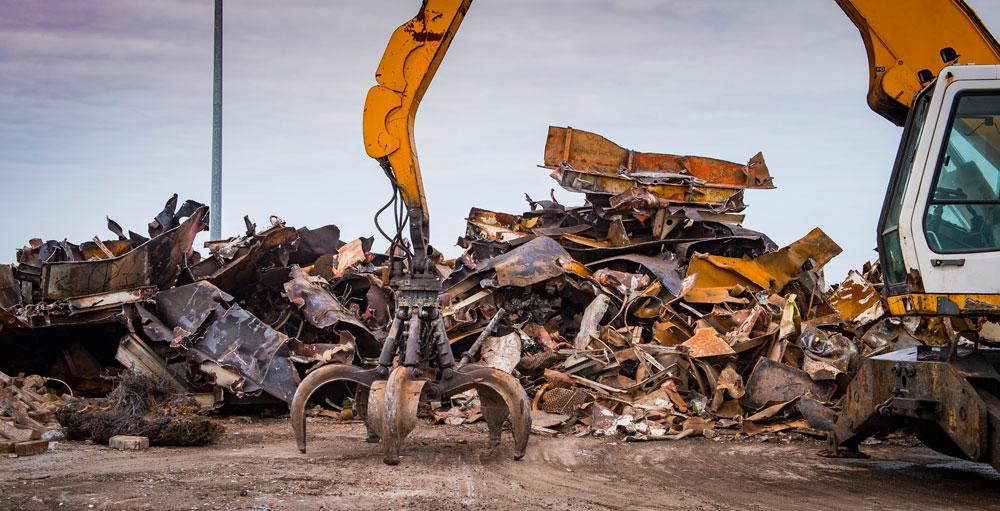
New regulations for scrap metals and military equipment disposal in Iraq

New regulations for scrap metals and military equipment disposal in Iraq

Introduction

Effective waste management is critical to ensuring environmental protection, public health, and sustainable development. In Iraq, the regulation of waste generated by industrial and military activities is of particular importance due to the complex challenges posed by hazardous materials, legacy contamination, and the need to align with international environmental standards.

Read More